Plants and Me

I like plants. Plants present me with a certain symbol of growth and life. From a young age, I have been amazed at how a small seed, plucked into some soil, could grow into a mung bean tree. And my success sort of stopped at that. Despite attempts to grow different kinds of plant, to my mother’s dismay of bringing dirty soil to our apartment knowing that my little garden would be abandoned and the task of cleaning up left to her, I have never been successful at keeping them.

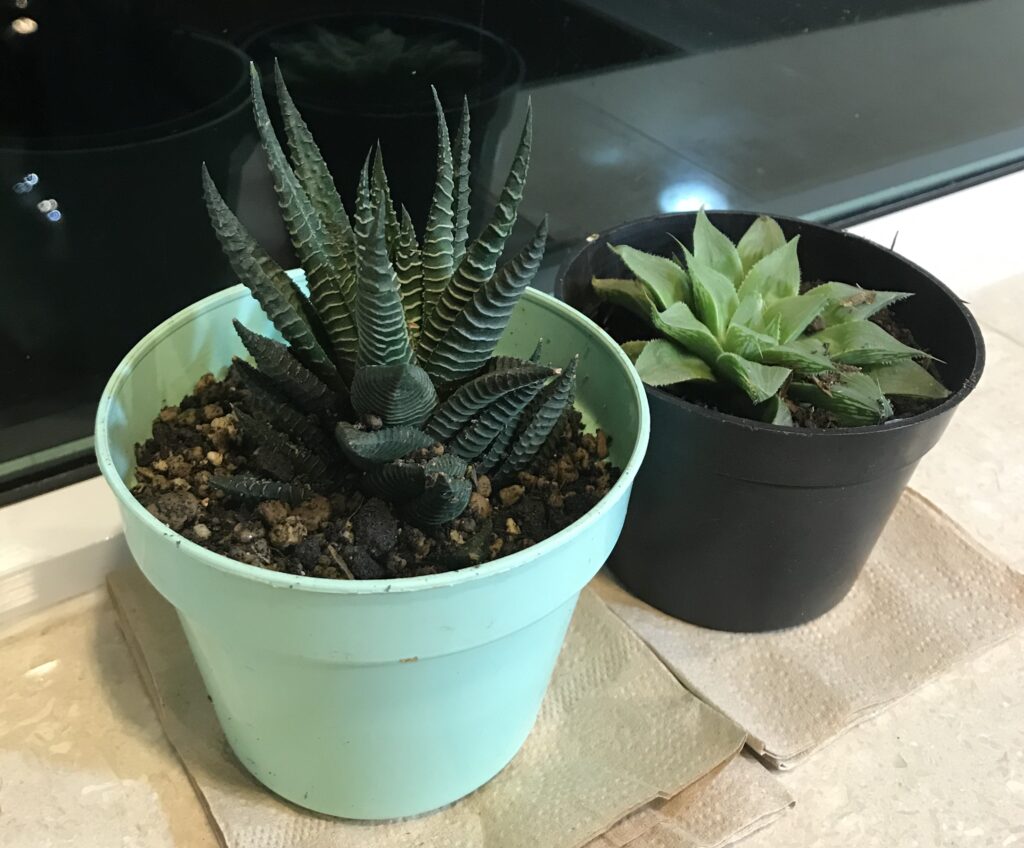
A few days ago, I decided to order two succulents from the internet. Yes, I just ordered plants to be transported to my apartment lobby through the internet. And this is where the motivation to write an article on plants began. Come to think about it, I have many imprinting pieces of memory about plants. This article will revolve around my various encounters with and thoughts about plants at different stages in life with the hope that I will not fail this time round.

The Childhood Lessons

  • One of the first practical lessons about nature was growing beansprouts. We were given several beans to start with and some wet tissue papers. It was such a life-changing experience for me. As a kid, it was wonderful to see a new life growing from a tiny seed/bean. We were then taught to put the different seeds and beans into soil to learn that some plants take longer to grow. Then things got harder and my skills plummeted. Apart from beans (which do not need any effort to make them grow), I don’t think I had been successful in any other plants. As a homework, I was tasked to grow jasmine (not from scratch but from a blooming jasmine (tree?)). After a while, leaves started to fall and no more flowers were to be seen. I should probably have taken heed of that lurking omen that I did not have a green thumb.
  • In science lessons, I was introduced to the concept of oxygen and carbondioxide. At this point, you can probably guess what happened. I learned that plants give out oxygen during the day and emit carbondioxide which is not good for us to breathe during the night. This concept stuck until well into my twenties. When I was in the UK for my university, despite the urge to grow a plant, I did not dare to do it out of fear that I would suffocate at night. I only learned that the CO2 amount that plants emit is minimal as long as I don’t grow mangoes in my tiny unit when I started working at 25 years of age.

Vegetables in my own backyard

  • Despite my unsuccessful attempts at growing plants when I was a kid, I was still confident that it was only because I was too ambitious. Every flower is difficult to grow. This is what I kept telling myself. Herbs and vegetables might work. Since one of my favourite dishes is stir-fried pork/chicken with basil, I decided to grow basil in the house I shared with my friends at university in the UK (not in my room of course! the tree would make me suffocate!). Some of you may have seen the ready-potted basil sold in supermarkets like Sainsbury’s. I bought one of those. I cut the first few leaves to cook and was so happy that I would not need to buy basil leaves ever. I continued to water it but no leaves grew back. I kept the basil pot at the windowsill near the kitchen. I was in Durham at the time. I did what most Brits do. I blamed the weather! The wind was just too strong and the sun was no where to be seen for 360 days a year. So I abandoned the basil experiment.
  • After I finished my studies and came back to Bangkok in 2014, the idea of growing my own vegetables reemerged. This time, I was told that nothing could go wrong with growing morning glory. So I brought home some soil and morning glory seeds. I put the pot on top of the air-conditioner’s compressor on my tiny balcony. It took only a few days for morning glory shoots to be seen above the soil. I was very happy. Yet, they stopped growing. They stopped at the height of about 4-5 inches. I thought to myself, ‘well, maybe they did not have enough sun since there was another medium-rise condominium next to mine. Also, the trembling AC compressor was not conducive to plants. Another failure.

Starting afresh, plants for aesthetic purpose

  • Now this bullet is connected to the revelation that one can grow plants indoor. Special mention needs to go to my supervisor at work, without whom, I would have continued to resist having plants in my room. Having failed at various kinds of plant in the past, I resolved to grow cactus. I bought two from a market one day. One for me and one for my colleague (who is now my girlfriend). Cactus for me is probably the most fool-proof plant in the world. You can go wrong with morning glory but you really can’t go wrong with cactuses. But I did. Both plants started shedding yellow leaves/spikes. And they were slowly giving up. But then, maybe they did not have enough natural sunlight.
  • So here I am. In Jakarta, my unit has a lot of sunlight especially in the morning. A colleague asked me a couple of weeks ago where could she find decorative plants in Jakarta. That gave me the inspiration of getting plants for myself. To my surprise, they sell them online. I have never thought of buying plants online before. After payment, I was excited to think how they would transport my plants (yes I bought two). It turned out that the shops were really good at this. The pot and soil were packed separately. Each plant was covered with tissue paper inside a box with protective wrappings.
    I put them on the windowsill, with a lot of sunlight. I even looked up how to take care of them this time. I resist giving them names for now. I hope they will survive.

And I will update you, my dear readers, on this.
ตัวช่วยเพิ่มประสิทธิภาพการวางแผนและจัดการชีวิต

ความสุขอย่างหนึ่งของผมคือการได้ทำตามสิ่งที่ตั้งใจว่าจะทำในแต่ละวันได้ครบหรือเกือบครบ โดยผมเป็นคนประเภทชอบทำหลาย ๆ อย่างในหนึ่งวัน ผมไม่สามารถนั่งครึ่งวันทำอย่างเดียวได้ แต่จะซอยย่อยออกเป็นชั่วโมงครึ่ง หนึ่งชั่วโมง ครึ่งชั่วโมง หรือแม้แต่สิบห้านาที แต่อยากจะทำสิ่งเหล่านั้นทุกวัน ดังนั้น การทำตามเป้าหมายที่ตั้งใจไว้จึงเป็นสิ่งที่สำคัญมาก ๆ สำหรับผม ที่ผ่านมา ผมทดลองใช้ตัวช่วยในการวางแผนมาหลายชนิด จนได้รูปแบบที่ผสมผสานระหว่างอะนาล็อกและดิจิทัลซึ่งคิดว่าเหมาะสมกับตัวเองในเวลานี้ที่สุดแล้ว จึงอยากจะบันทึกเก็บไว้

ในภาพรวม ผมแบ่งการทำงานของผมออกเป็นสองส่วนคืองานประจำส่วนหนึ่ง งานเสริมและงานอดิเรกอีกส่วนหนึ่ง ผมให้เวลากับงานประจำเต็มที่ในช่วงวันธรรมดา และหากยังมีอะไรต้องทำต่อ ก็จะให้เวลาที่จำกัดในช่วงวันหยุด (แปลว่า ตั้งใจมีสมาธิทำให้เสร็จภายในชั่วโมงสองชั่วโมง) ยกเว้นว่ามีงานด่วนติดพัน อันนั้นก็เป็นอีกเรื่องหนึ่ง ส่วนงานเสริมและงานอดิเรก ได้แก่ งานแปล งานเขียน โชคดีว่าเป็นสิ่งที่ผมชอบทำอยู่แล้วและถือว่าเป็นส่วนหนึ่งของการใช้ชีวิต ผมก็มักจะทำในช่วงวันหยุด

เริ่มจากตัวช่วยในรูปแบบดิจิทัลกันก่อน ตัวช่วยแรกคือ “Google Calendar” สำหรับลงกำหนดนัดหมาย ซึ่งมีข้อดีหลายประการ ได้แก่ ใส่เวลา สถานที่ ผู้คนที่ต้องพบปะ ประชุมด้วย ได้อย่างละเอียด แจ้งเตือนล่วงหน้าทางโทรศัพท์มือถือและ Apple Watch ได้ด้วย อีกทั้ง ยังดึงเอานัดหมายที่อยู่ในอีเมล รวมถึงการจองการเดินทางต่าง ๆ เข้ามาใน Calendar ได้อีก ตอบโจทย์มากครับ ซึ่งการลงตารางกำหนดนัดหมายประจำวัน ไม่ว่าจะเป็นเรื่องงาน การพบปะส่วนตัว เจอเพื่อน ก็จะรวมมาในนี้หมดครับ

ถัดมาคือการใส่ชิ้นงานที่ต้องทำ หรือ To-do list นั่นเอง ซึ่งผมจุกจิกในเรื่องนี้พอสมควร ในรูปแบบดิจิทัล ผมเคยลองใช้ Reminder และ Tasks ทั้งที่มากับ Google Calendar และแอพของ iPhone พบว่าไม่เวิร์ค เพราะ (1) ระบบการตั้งให้แจ้งเตือนไม่มี หรือมีแต่ค่อนข้างซับซ้อน (2) ตั้งให้ task นั้นทำเป็นประจำไม่ได้ (recurring tasks) ต้องเข้าไปตั้งเอง (3) เวลาทำเสร็จแล้ว กว่าจะเข้าไปกดว่าทำแล้วนะ มีหลายขั้นตอน และ (4) ในขณะที่ Calendar ซิงค์เข้าโทรศัพท์มือถือและ Apple Watch ได้ดี แต่ tasks กลับไม่ซิงค์ (ณ ตอนที่ผมลองใช้เมื่อหลายเดือนก่อน) ที่ผ่านมา ผมจึงใช้ “Wunderlist” ครับ แบ่งหมวดหมู่ได้ ผมก็จะมีหมวดหมู่ที่เป็นการซื้อของสดของใช้เข้าบ้านประจำสัปดาห์ มีแม้กระทั่งของที่อยากได้ หรือ wish list แต่เมื่อไม่นานมานี้ Wunderlist กำลังจะปิดตัวลงครับ ประจวบกับผมเองก็คิดอยู่ว่าอยากได้แอพที่มันโปรกว่านี้นิดหน่อย ซับซ้อนกว่านี้นิดนึง ผมก็เลยทดลองมาหลายแอพ จนสุดท้ายลงเอยที่ “Todoist“ แต่ผมขอพื้นที่พูดถึงแอพ “Journey” โดย Moleskine เป็น Honourable Mention สักเล็กน้อยนะครับ

  • Journey ของ Moleskine แอพนี้เป็นแอพที่เรียบหรูดูดีมาก ๆ ใช้งานได้หลากหลาย แต่พอใช้ free trial จนจบก็รู้สึกว่า แอพนี้ทำมาเพื่อให้เราจดบันทึก journal ออนไลน์มากกว่า ผมชอบมากนะครับ ลูกเล่นเยอะดี จะใส่รูป วิดีโอ เปลี่ยนสีกระดาษ customise อะไรได้เยอะเลย แต่สำหรับการเปิดมาดูเป้าหมาย สิ่งที่ต้องทำในแต่ละวันเร็ว ๆ กดติ๊กถูกว่าสิ่งนี้ทำแล้ว สิ่งนี้ยกยอดไปพรุ่งนี้ แอพนี้ยังอุ้ยอ้ายเกินไปนิดหนึ่ง อีกอย่างคือตอนนี้โทรศัพท์มือถือผมค่อนข้างเก่า และความจำค่อนข้างแน่นแล้ว แอพนี้กินเนื้อที่เยอะ ขอรอเปลี่ยนโทรศัพท์แล้วอาจจะใช้ Journey เพื่อจดบันทึกออนไลน์ไปพร้อมกันด้วย

สำหรับแอพ “Todoist” มีสิ่งที่ชอบหลายอย่างด้วยกัน (1) ความง่ายของการเพิ่ม task ตั้ง priority ใส่ label และ due date ตั้งการแจ้งเตือนได้ จบในไม่กี่คลิก (2) การเชื่อมโยงของแอพในแลปทอปกับโทรศัพท์มือถือค่อนข้างไร้รอยต่อ (3) สามารถตั้ง sub-tasks ได้ เช่น จะไปซื้อของ ก็สามารถตั้งได้ว่าจะซื้อกะหล่ำปลี หัวหอม กระเทียม ภายใต้ task เรื่องการซื้อของ (4) ตั้งหมวดหมู่เป็น Project ได้ เช่น ผมมีแผนออกกำลังกาย ผมก็จะตั้งเป็นโปรเจคต์ไว้ แล้วก็ใส่ task การออกกำลังกายแต่ละวันไว้ใต้โปรเจคต์นั้น (5) ตั้งให้เป็น task ที่ต้องทำประจำได้ ฟีเจอร์นี้เป็นสิ่งที่ชอบมาก เพราะแค่พิมพ์ว่า every weekday, every Saturday, every Sunday, หรือ everyday ระบบก็จะตั้งให้เป็น recurring task และจะโผล่ให้เห็นตามวันที่กำหนด เลือกวันเริ่มต้นและสิ้นสุดได้ครับ (6) ถ้าสมมติว่ายังไม่ได้ทำ task นั้นเสียที ระบบจะขึ้นมาถามว่าต้องการ reschedule ไหม ซึ่งแอพก็จะมีวันที่เหมาะสมมาเสนอให้อีก โดยดูจากพฤติกรรมของเรา ด้วยเหตุเหล่านี้ ผมก็เลยกด subscribe จ่ายเงินรายปีเป็นสาวกของแอพนี้ไปเป็นที่เรียบร้อยครับ

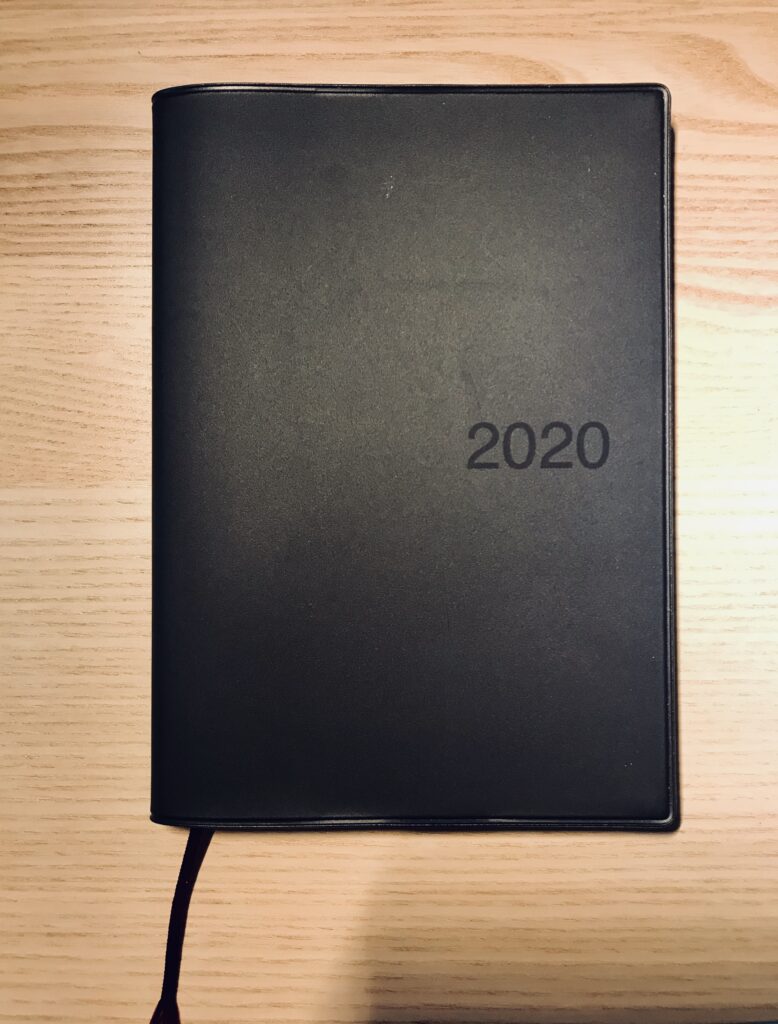
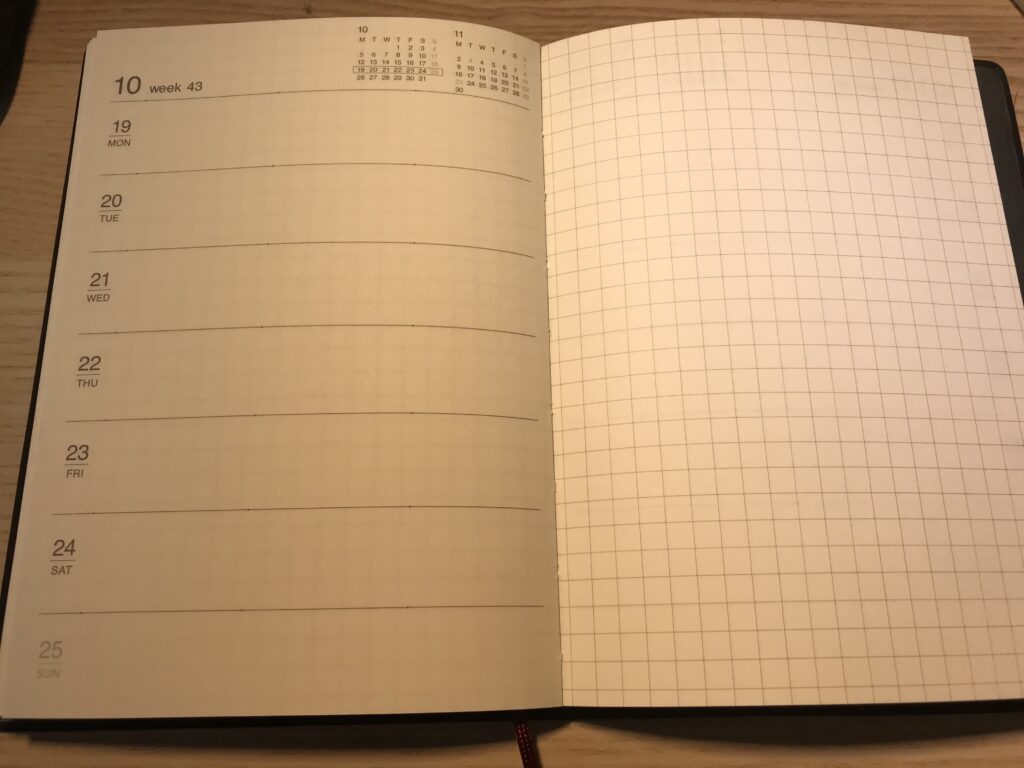
นอกจากตัวช่วยในระบบดิจิทัลแล้ว ผมยังมีตัวช่วยแบบอะนาล็อก คือสมุด planner เล่มกะทัดรัด เพราะผมจะจำได้ดีกว่าเมื่อได้ใช้ปากกาเขียนลงบนกระดาษ ผมก็ไปทดลองใช้ planner มาหลากหลายรูปแบบเช่นกัน ในช่วงหลายปีที่ผ่านมา จนมาลงเอยที่สมุด planner รายสัปดาห์ของมูจิ หน้าด้านซ้ายเป็นวันในหนึ่งสัปดาห์ แต่ละวันมีพื้นที่พอให้เขียน และหน้าด้านขวาเป็น grid ว่าง ๆ ให้จดบันทึก ในระยะหลัง ผมจดบันทึกประชุมในคอมพิวเตอร์ แต่หากมีข้อสั่งการ มีประเด็นติดตาม ผมก็จะจดใส่กระดาษ โดยใช้หน้าด้านขวานี้เอง คุณสมบัติอีกอย่างของ planner มูจิคือใช้ปากกาหมึกซึมหัวแร้งแล้วหมึกไม่ซึมไปอีกด้านหนึ่งของกระดาษจนเละเทะ ถือว่าตอบโจทย์ครบถ้วนทุกประการเลยครับ ทั้งนี้ สำหรับ planner ผมจะใช้สำหรับงานประจำเป็นหลัก

Planner รายสัปดาห์ของมูจิ
Planner รายสัปดาห์ของมูจิ หน้าซ้ายแบ่งรายวันในหนึ่งสัปดาห์ หน้าขวาเป็น grid ว่างให้จดงานได้

ก่อนนอน การเข้าไปในแอพ Todoist กดติ๊กหน้าสิ่งที่ต้องทำในวันนี้ให้หายไป เปิดสมุด planner แล้วก็ใช้ปากกาติ๊กถูกหน้าสิ่งที่ทำแล้ว มันเป็นความสุขเล็ก ๆ อย่างหนึ่งเลยนะครับ

ลองมาแชร์กันว่าคุณใช้แอพหรือตัวช่วยเพื่อวางแผนชีวิตและการทำงานอย่างไรบ้าง เผื่อในอนาคต ผมอาจจะลองใช้บ้างครับ

What’s next for tourism?

I have recently listened to several podcast episodes by The Standard, an online news platform in Thailand. Its editor-in-chief, “Ken” Nakarin Wanakijpaibul, has been interviewing key persons in various industries and sectors on the so-called ‘new normal’. We have been hearing this term ever more often now and you can perhaps guess the now-cliché theme here: workplace transformation, online shopping becoming more prevalent, and people not hanging out in groups. From this general picture, each podcast episode offers some sector/industry-specific assessments of the effects of COVID-19 outbreak in the medium and longer terms.

Among the different sectors and industries, I wish to draw your attention to the airlines and tourism industries first. This is because tourism is one of the lifelines of Thai economy, amounting to roughly 17% of our GDP. One cannot talk about tourism without discussing airlines since they are very closely connected and both industries have been hit extremely hard. I think it is also fair to give them due priority since they were the first to take a hit and will likely be the last to recover.

Ken went to talk to Mr. Tassapon Bijleveld, Executive Chairman of Asia Aviation Plc. or the parent company of Thai AirAsia, and Mr. Poomkit Raktaengam, President of Phuket Tourist Association. The episodes of the podcast can be followed by clicking on the names of each guest. I have to say upfront also that by writing this article, I am not aligning my thoughts with any of the two gentlemen. There are points that I agree and there are also points that I am not so sure about.

What does “new normal” mean for the airlines and tourism industries?

So let us begin with the term “new normal” / “new norm” or whichever name we call it. Mr. Poomkit suggests that in the tourism industry, you may want to divide the new normal into demand and supply sides. In general, we may not see a big change, not in the short term anyway, of new normal in the demand side. The reason is that after a long period of lock-down in one form or another, people will still want to travel. They will need vacation. That said, the supply side is not going to be the same, at least until stock of vaccines or effective cure is readily available. We have seen efforts to gradually ease up the lock down measures in a number of countries. While the easing up differs from country to country, the general rule of thumb is to do it in stages. Businesses and governments share the same objective of not having an uncontrolled second or third wave of infection. Should that happen, businesses may be forced to close again and they understandably dread that scenario. Entrepreneurs have thus adopted a number of measures boiled down to checklists to prevent infection. This is the new norm that can generally be seen across industries throughout the world.

For airlines, Mr. Tassapon mentions that when domestic flights resumed in Thailand in early May, about 30 percent of seats on airplanes would be left vacant to be in line with social distancing principle. Cabin crew would be in protective suits and not permitted to serve (and sell) food or drinks on board. These would inevitably incur additional costs that airlines would not be able to carry the burden themselves. In the tourism industry, Mr. Poomkit talks about the need to increase the frequency of cleaning hotel rooms, the loss of lavish buffet lines at breakfast, and a limit of the number of visitors to pristine islands. These again will push up prices.

With these in mind, we can probably start to see how the supply’s new normal may then affect the demand of people craving for holidays. It has been suggested that the increase in price from adjustments made in the supply side of tourism industry may induce change in customers’ behaviour, leading to a change in demand. The scale of such change, Mr. Poomkit cautions, will also largely depend on how long before we have a lasting cure or a mass production of vaccines. If it is six months or more, we can be certain that consumers’ behaviour will likely change. Anything less than that, the behavioural change may not be entrenched enough to become a lasting norm.

Say goodbye to low fares (and mass tourism)?

Given the restriction of supply coming from the need to prevent community infection, costs of travelling will inevitably go up. To enforce social distancing measure on airplanes, 30 percent of seats will go unsold. In order for airlines to not cruising in the red, ticket prices will go up perhaps by at least 20 percent.

Many may have also wondered why many airlines seem to lack cashflows. I found the episode with Mr. Tassapon quite revealing. He mentions that low-cost airlines have fought price war for years. AirAsia had been making continuous losses. When a crisis like this happened, suddenly and without warning, airlines’s lack of liquidity has been exposed. Many airlines can continue to pay their employees for 2-3 months maximum. He also stated that if all low-cost airlines in Thailand raised their ticket by 100-200 baht (around USD 3) per 1-hour flight, all low-cost airlines operating in the country would have made profits.

Mr. Poomkit gives some prediction on the tourism industry. Many destinations that are normally packed with tourists will need to apply a quota system. Hotel breakfast may need to do away with buffet lines altogether. We may not see packed breakfast halls with long queues for egg stations but may start to see hotels offering a-la-carte breakfast menu with overlapping time for customers to sit in the restaurant. Needless to say that such burden of hoteliers will somehow find its way to customers. Visitors will have to pay more for travels and accommodation, leaving smaller portion for them to spend on food and other kinds of entertainment.

The ultimate consequence is that we are not likely going to see the same number of visitors and the same amount that foreign visitors spend. Mass tourism may not be as prevalent.

How will ‘MICE’ feature in the next chapter of tourism industry?

Given the uncertainty of mass tourism in the post COVID-19 era, Mr.Poomkit brings the audience to the question of MICE. Known in full as Meetings, Incentives, Conferencing, and Exhibitions, the MICE sector has generated a sizeable revenue. The usual strategy is to make people who come to meetings and conferences stay on a little longer and spend more locally. Mr.Poomkit at least has offered some hope for MICE since he believes that MICE can continue to grow. Companies will still want to take their employees out for teambuilding exercises and trainings outside the usual environment yet they may not be able to do them en-masse. Rather than taking all employees on a single busload to a sea-side resort in one go, they may need to divide into groups, each group taking up the space of one or two minibuses and organising their own teambuilding exercises at different times throughout the year. This obviously means change for event organisers but it also offers opportunities to be creative and grow.

Redefining ‘premium’ destination

From the point of business entrepreneurs in the tourism industry, they need to make the most of those who come to visit. One way is to explore the branding of ‘premium travelling’. This is not by all means a new term but the connotations associated with it may change after COVID-19 outbreak subsides.

Before COVID-19 took hold, people tended to think of bespoke hospitality and extravagant services part of the premium package (which almost always comes with spa vouchers). But in the post COVID-19 era, when people choose where they want to travel, they will probably give more weight to the state of healthcare at their intended destinations when making decision to travel. It is not that we do not think about it now. In fact we do. And that is where travel insurance comes in. It is there, sitting calmly and quietly in the corner to assure us that if we fall ill abroad, we will be treated. But in the future, we will also have to factor in the capabilities and capacities of healthcare system in those destinations.

Mr. Poomkit also suggests that with the need for social distancing, space may become another element of premium tourism. People may feel more secure and comfortable to be at least 2 metres or even 10 metres apart from those coming from different households/families. The affordability of a destination to have visitors spreading out may be its selling point. Who knows, there might be a ‘social distancing tax’ imposed in some areas to compensate for the opportunity cost of having more visitors.

So what’s next?

My intention when I began writing this article is to bring in some industry-specific perspectives to the so-called ‘new normal’ of life after COVID-19. By doing so, I have demonstrated that we can go a bit further than the standard ideas that things will not be the same. I personally am a bit cautious to say that things will change 180 degrees. In fact, changes will be far from uniform. In some aspects of life, we will probably find that old norms will carry more weight but we will need to balance them with health concerns. By exploring industry-specific perspectives, we may be able to see some near-future challenges, opportunities and even directions. And this is what I humbly encourage.

The art of (virtual) meetings

I have stopped counting the number of weeks we have been working from home. This is partly because each of us has started at different times and partly because I want to shift my focus to the Post-COVID-19 world. It may possibly be something to look forward to I guess.

I wrote last week about the future of sick leaves. This week, I want to continue the same theme of imagining what life will be like with several arrangements made possible by advanced technology being adopted in a short span of time. You may be like me who never really had any proper video-conferencing before the COVID-19 outbreak. But in several weeks since many governments across the world have enforced some forms of social distancing and lock-down measures, we have been working from home and using Zoom and other video conferencing applications a lot more than we would do before the outbreak.

In an Opinion piece published in the Financial Times on Sunday, Pilita Clark cites a report by Mary Meeker who wrote in a report that “Zoom has gone from 10m to 200 m daily users in the space of just three months.” That seems to suggest that while we have been accustomed to technology to a certain extent, a great majority of us had not used some features of the online world on a regular basis. Video conferencing is one of them. Now the majority of us are using videoconferencing applications/programmes as though we have known them since time immemorial.

This requires a lot of adjustment though. The meeting arrangements and the logic behind them differ on a sheer scale from conventional meeting. A conventional meeting in the old days usually requires a set of chairs and tables neatly set up in whatever shape the format and objective of the meeting need it to be, U-shape, oval-shape, or semi-circle. The chair will have sent out the agenda and relevant documents beforehand. With a good set of microphones, you are all set.

A more modern meeting may need a working projector, several monitors, and a few laptops to screen up the agenda and documents. The secretariat may need to be a bit more IT-literated, knowing how to switch between documents, and how not to screen up everything on the laptop screen while you are desperately looking for a website or a hard-to-find document requested by a meeting participant who just doesn’t seem to be satisfied with his/her set of documents.

Yet in this virtual world, we have not been given much time to learn the new set of skills. As a host, you will probably need to familiarise yourself with a few videoconferencing programmes. You will need to figure out whether there is a limit on the number of participants, how to invite and lock the virtual meeting room so as not to allow unwanted guests, how to screen the documents, and how to make changes to the document in real-time while everyone can properly see the markings. These still do not include the technical side of it. You need to have an internet speed that is quick enough and you probably have to come in up to an hour early to make sure that everything works.

As a participant, you cannot simply open the door and come in (and apologise if you are late). Many meeting rooms lock participants if they log in after a certain time. You will need to know how to troubleshoot if some technical glitch happens. You will probably need to juggle between different windows in your computer to be able to follow the meeting while taking notes and searching for some minute details mentioned by one of the participants on Google.

Since virtual meetings are likely to be with us in the near future, I have listed a few things that, I think, we need to master.

  1. Know your computer and the prerequisites for the meeting. Quite straightforward as it may sound, failure to adhere to the advice may result in a meeting turning to disaster. Some applications cannot run on Apple-owned operating system. Some applications require a certain amount of internet speed for the bandwidth. In this light, test runs are vital. And the downside of it is that those responsible may need to standby for the meetings earlier than the ones conducted face-to-face.
  2. Know where the buttons for ‘mute’ and ‘no videos‘ are. This is a bit tricky since different applications have different ways of controlling your audio and video. Most will allow you to join with muted microphone and no video by default. When you are not sure, it may be safe to look your best when joining. After all the tests are done, if you are not speaking, then it may be wise to mute your microphone and (from first-hand experience) if you are running low on bandwidth/internet connection, it may be good to speak without video so your voice is not choppy.

    I must say however that if you are not observing a meeting, then it is appropriate to keep your video on to show that you are present and paying attention. This also applies to online classrooms when teachers/lecturers need to see if students are present.
  3. Try to be comprehensive and succinct every time you speak. This probably should not be just for videoconferences, but indeed for every meeting of importance. That said, when doing videoconferences, when you want to speak, you need to unmute your microphone. The moderator / chair may need to give permission or call out your name. If you tend to forget things and ask for the floor a few times in a row, that might slow things up. So it’s probably best trying to be succinct and make sure that you have all points covered for the topic being discussed.
  4. Make sure that you are not going to be disturbed for the whole duration of the conference/meeting. This happens when you have kids, pets or someone else at home. By muting your microphone when not speaking can help reduce the embarrassment. But still, if it is your turn to speak and a delivery man comes knocking, it won’t look good on you.
  5. For formal meetings, keep the background plain and simple. Some applications allow you to change your background. Perhaps you are thinking of a place to go after this COVID-19 outbreak ends thus the beach background. For a formal meeting, I would think that it’s nice to pay some attention to the meeting surroundings, including background to reflect professionalism.

That’s all I can think of at the moment. It is an interesting phenomenon. Having attended quite a few, I have to say that videoconferences work quite well especially for briefings or meetings where each participant is allowed one opportunity to speak. However, jury is still out I think when it comes to more interactive meetings/conferences. I have heard of some successful cases but they clearly had gone through a considerable amount of preparations.

Post-COVID-19 Sick Leaves

All over newspaper columns are talks about the new normal, how life will change once the outbreak of COVID-19 is over. While I believe that technology will play a greater role in our daily life, I think it is too early to go so far as concluding what the world order will be like. One small thing that I have been pondering over the weekend is the idea of sick leave and working from home.

Soon the idea of working from home will be the norm. I have been hearing my friends in the private sector talking about the future of office work. In terms of space, a small or medium-sized company, for instance, will not need a large working space since personnel may rotate to come into office / work from home / have flexible working hours. In terms of the work proper, many employees, whether they want to or not, are attempting to show their bosses that they are able to deliver the same output / productivity no matter where they are. Trust will be built. By the time this crisis is over, working from anywhere will not make much difference in the eyes of supervisors / employers.

But will this lead to some kind of inconvenient expectation?

I now invite you to consider the idea of taking a sick leave. I am leaving the leaves you take for long-term care and surgeries aside. I want to focus mainly on sick leaves for milder illnesses. The ones that make you feel “Urgh well, I can go to work but I’d rather not go.” With the expectation that you can work from anywhere, since you can continue to reply to emails, type things on your computers or your smartphones, you may be considered not fit to come to office but fit enough to work.

This is not new, no doubt. Even before COVID-19, I’m pretty sure many of us must have heard of bosses who continue to contact and assign work to colleagues during the latter’s sick leaves. But this expectation will be even more entrenched, I believe, after this health crisis.

A few trajectories that I can think of are as follows:

  1. People do not take sick leaves for mild illnesses. A diarrhoea or a mild form of food poisoning or a cold may keep people away from office but they may be reluctant to take sick leaves altogether. All they will do is informing their bosses that they will be working from home today. Hypothetically down the road, will there be no sick leaves for these kinds of mild illnesses altogether? And what implication will that situation be on the well-being of workers since those that suffer from these mild forms of illnesses will still need to work, albeit at the (un)comfort of their homes.
  2. Sick leaves may be taken by a number of hours. If you at least claim that you suffer from mild illnesses, then the company or the employer may deduct say 3 hours from that work day. That means, you have about 8 days to suffer for the accumulated hours to amount to one day of sick leave. This does seem to be quite reasonable. But this needs universal understanding and agreement, at least in that workplace, of what symptoms and illnesses will constitute ‘mild illnesses’.
  3. All illnesses, no matter how mild, warrant and obligate you to take proper sick leaves. This alternative means that all illnesses are treated equal. This way, all employees will be guaranteed a peace of mind. No business nor conference calls. Team meetings can wait until you recover. However, since some companies may have a certain limit on how many sick leaves you can take in a year, this trajectory may result in some people who suffer from mild but annoying illnesses lose out as they have to take proper sick leaves.

I have, by no means, exhausted my thinking on this issue. Perhaps, as the situation develops (and hopefully improves), there are trends and behaviour that warrant me to revisit the issue of taking sick leaves for mild illnesses after the outbreak subsides.

…and I had to cut my own hair

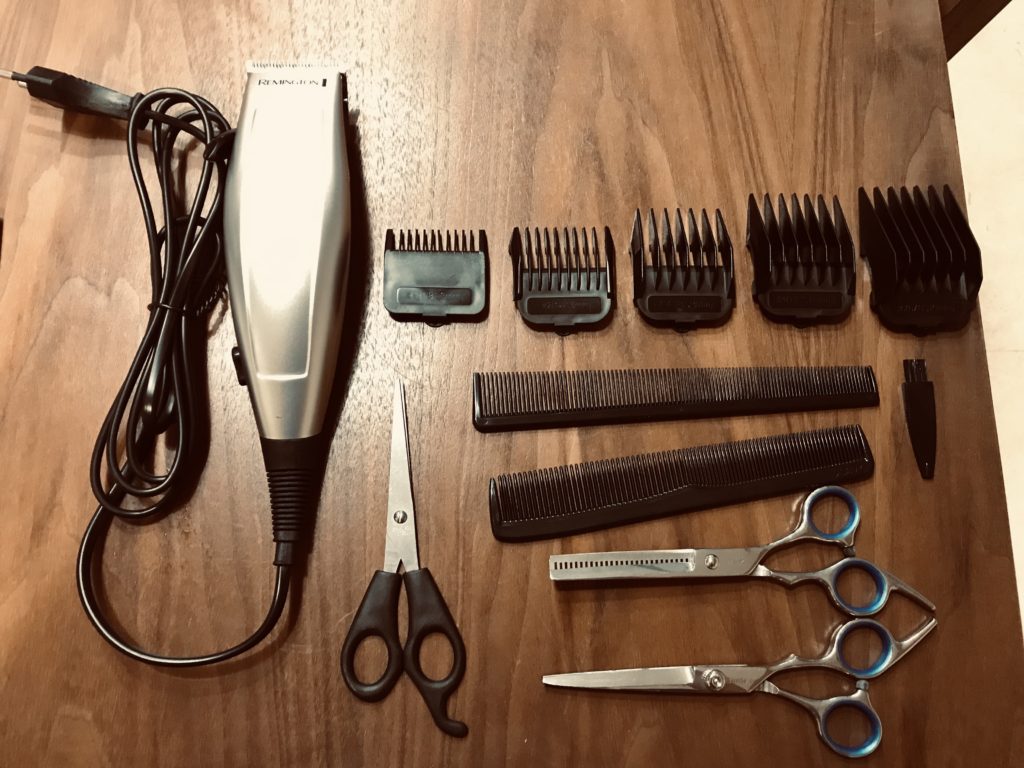
A few weeks ago, when my hair was of medium-length, I mentioned about not being able to go to barbershops due to the measures adopted all over the world to prevent the spread of COVID-19. Since then, I have procured myself a set of clipper, combs, and scissors for my very first self-haircut.

I do not intend to post my photos here. But I want to talk about the preparation and resources I relied on.

First thing first, I had to have an idea of how I want my hair to look like. My hair is best described as a long faded cut. Short but tapered at the sides, longer at the top. So I could not just have the clipper, I would also need a set of ‘trimming guides’, the plastic tops of different lengths to put on the trimmer. And thinning scissors (which I found to be most valuable). Another thing that you should never forget is the hand-held mirror so you can look at the back of your head. I cannot stress how important this is.

Then I studied Youtube videos. There is quite a lot of videos out there teaching how to cut your own hair. A word of advice here, watch a lot of videos and you will be able to decide which technique suits you best. In the end, I only used about half of the instructions from Youtube. The rest, I learned when I was actually cutting my hair.

So here are some of the things I learned.

  • On Youtube, some say you should dampen your hair a bit. I’d say there is no need especially if this is the first time. Doing the cut while my hair was dry allowed me to see how much I cut and whether the cut was equal on both sides of the head.
  • You may also hear that you need to part your hair and put on some hair clips to keep your hair at the top in place, thus making it easier to cut your sides. In reality, my hair was not that long and wouldn’t hold. I even tried rubber band but still, it would work if my top was longer. So I’d say, don’t worry too much about this.
  • Look carefully at how the Youtubers use clippers especially the angles, the finishing and how they blend different layers of hair together. That proved really useful for a fade or an undercut.
  • The back is almost always the hardest. Use the hand-held mirror to guide. If that is too hard, then use your other hand to mark the point where the clipper should stop. This will prevent you getting a buzz cut unintentionally.
  • Thinning scissors are really versatile. Basically, they allow you to just go around the top cutting until you reach the desired length without feeling embarrassed.
  • Have a vacuum cleaner nearby.

Having done it once, I guess I won’t mind doing it again! Good luck!

Tea in a life of an enthusiast

I am a tea person. If you ask me why, I will not be able to come up with a single reason. However, a blend of the following characteristics of tea may offer you, dear reader, a glimpse of how tea has become integral to an enthusiast.

Firstly, tea produces a comfortable and satisfying mildly bitter after-taste. It makes me feel as though I have been drinking a beverage of a stronger character than water yet not too strong. I do not have any scientific proof to this but if I have to speak to someone real close after drinking a beverage, I will feel more confident having had a cup of tea rather than coffee. Coffee, even black coffee without sugar, does produce some after-taste and smell which can put off quite a few people.

Secondly, the smells of different kinds of tea give me pleasure and a sense of calm. Green tea in its purer form (i.e. not blended with any flowers or fruit) has the smell somewhat similar to dry grass. Drinking it gives me a meditating sense of calm. Black tea in certain blends especially citrus fruit and berries is refreshing and stimulating.

Thirdly, tea has a constant effect. To elaborate, whatever effects a cup of tea has on you, they come steadily and constantly. Take caffeine for example. A cup of some blends of black tea has the level of caffeine comparable if not equal to a cup of mild coffee. When drinking coffee, the effect, on me at least, is pretty sudden. After a sip, I am fully awake. But I find that it’s quite different with tea. The wakefulness gradually comes and gradually leaves my body. I will be in a state of moderately alert for longer time. That’s what I meant by tea having a constant effect on my body.

With the various kinds of tea, I have developed a certain tea routine, meaning I have my preferred options of tea depending on the time, the need and the mood.

Morning – on a normal day (i.e. with no meetings), I tend to give myself some caffeine intake through English Breakfast tea. As this is a type of black tea, it has a high enough caffeine content to wake me up. If I have milk nearby, I usually have it with milk. This is what I get from studying in Britain for some time. I have the habit of drinking a cup of black tea with milk. A good black tea for me basically does not produce a strong bitter taste however long that tea has been left in the water.

Afternoon – there is a condition – if I don’t have any coffee that day, then I tend to go for another cup of black tea, an arguably stronger one. At this time of the day, a refreshing smell does help. So I go for Earl Grey or black tea blended with fruit like peach black tea. Without milk please.

Again, a good black tea (for me) must not have strong bitter taste.

But if I have some coffee, then I try not to overload myself with caffeine. After coffee, I might brew some light jasmine green tea.

Evening / after dinner – preferably Oolong tea or strong pure green tea. Mainly because of its perceived benefit of reducing cholesterol. It washes down some of my guilt (devouring in fatty bits of meat) as well. It also keeps me awake when I read or write which I usually do after dinner. Evening tea is usually brewed in a big pot.

I sometimes drink herbal infusions when I just feel like having hot beverage but I have had enough caffeine on that day.

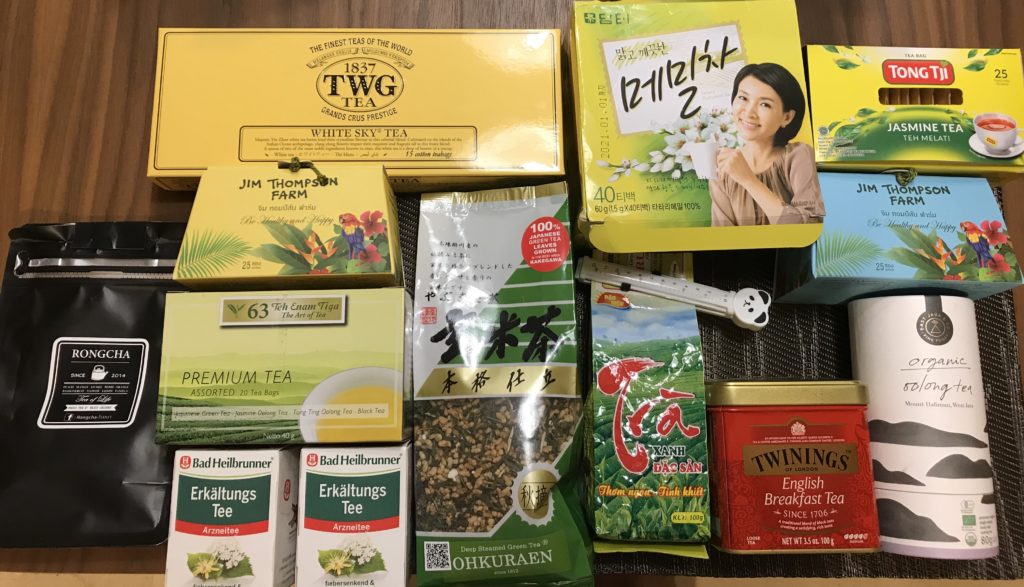
To finish off today’s post, here is my current collection of tea. Some of these are gifts and I am so grateful that you have chosen to give tea to me 😛

When barbershops are closed…

For more than two/three weeks (depending where you are) now that shops have shut their doors to customers. Some of us might miss the restaurants, the bars, or cinemas. But one thing that might concern most guys is the closure of barbershops. Correct me if I am wrong and depending on what you do for a living, guys (between 30-59 years of age) tend to have their hair cut about once a month. By now, many, like me, may start thinking what to do with our hair.

One thing that I am considering is to buy a set of clipper and scissors. During my first year in the UK, it was difficult to find an Asian barber so one of my friends, with her set of special scissors and comb agreed to cut my hair for me. It went well. This nostalgic thought then inspired me to look around Youtube how to cut my own hair.

Youtube clips may be deceiving but they have made it seem easy enough. Clip-on combs that can be put on the clipper allow you to adjust the length of your side and back. Then trim the top with scissors.

At the same time, I have also been warned! It may not turn out the way I wanted and I may have to walk around with a cap long after the COVID-19 situation gets better.

So I guess I will wait a bit until it’s unbearable. Then I will write a short review about it!

2020 Resolution while being at home

By now, most of the world are practicing social distancing. Many companies and organisations have adopted the Work From Home (WFH) arrangement or reduced the time for personnel to physically be at office to keep everyone safe from being infected and infecting others. It appears that social distancing will be a 2020 normal at least for a quarter of the year.

While our choice of activities outside our homes is temporarily limited, what we gain instead is time. Working from home, for instance, saves you from commuting be it by public transport or the comfort of your own cars. You gain, on average, an hour or two everyday. Even if you don’t work from home, you still have to cut down your activities outside drastically. For me, this is a good opportunity to take up the extra time at home and make good use of it for self-development. Here are some of the things that I want to do with the extra time I have. This is my 2020 Resolution while being at home. You may want to think about yours too!

  1. Cooking – I have always wanted to cook better. Perhaps I have been watching too much Masterchef. My usual recipes revolve around stir-fried vegetables with some shredded meat or baked fish. Over time, I have also become bored with my cooking. But you know the feeling of coming back from work and not wanting to cook anymore? Quite often, the hunger gets over me and I end up cooking something quick without paying much attention to taste, composition or ingredients that would enhance the taste of my dishes even further. Moreover, learning a new recipe takes time.

    So this is the time. I can learn a new recipe from Youtube or I can just refine and put more efforts in the dishes I usually cook.
  2. Finance Planning – I do have an extensive (and somewhat sophisticated) financial plan. But I only update it from time to time. So it’s not doing its job of advising me on the best course of action to take financially. So with some extra time, I am hoping to update it more often. Besides, the plunge in stocks around the world is a strong enough incentive for me to review some of my plans!
  3. Keeping fit – Due to the fact that I like to do many things in a day, I allocate exercise to about 3-4 times a week. With the extra time, I hope I can do something to be in good shape everyday. Also, my goal of running a full marathon within this year is still intact. And I am still hopeful that the situation with the coronavirus will ease towards the end of the year. So I am using this opportunity to do some core strengthening and get my body ready for the intensive trainings later when opportunity allows.
  4. Be organised – With work, travel plans, functions, gatherings, it is not easy to have a fifteen-minute sit down to declutter my life everyday let alone to ponder long into the future. This is no doubt a good time to organise and review a long term plan for my life.
  5. Learning – This sounds nerdy and cliché but as a firm believer in lifelong learning, I can’t help but reiterate this idea again. The world is changing at a more rapid speed. The cost from not learning is much higher as knowledge now makes a difference between life and death. A friend of mine once introduced me to online learning platform Coursera. I have not enrolled in any course yet but it may be something worth doing, perhaps on something finance-related!
  6. Writing – To be a good writer, as someone said to me, you have to continue to write – write everyday, he said. Thus, I am trying to get into the habit of coming up with something to write everyday. I am also working on my novel (written in Thai) and I hope to get it done by my 31st birthday.

What is your 2020 resolution while being at home?

How much food should I buy amidst the COVID-19 crisis?

In the wake of more stringent measures being imposed across the world, people have rushed out to buy necessities, non-perishable food and disinfectants (if the latter were still on the shelves that is). While we should refrain from panic-buy, we may need to be prepared to stay home for a period of time. And this determines the right amount of food and necessities you should have without resorting to excessive stockpiling of goods.

The main reason to be prepared may arise from the uncertainty whether there will be more restrictions to travel and gathering. You may not be sure whether public transport will run to its full capacity tomorrow.

For me, the rationale behind stocking up some food is for you to be able to stay home comfortably for a certain amount of time. That amount of time is determined by the recommended period of quarantine – an estimated incubation period of the virus. In this case, I bought enough food to sustain myself for slightly more than 14 days. This is so that whenever you are asked to stay home, possibly due to a friend of a friend is being tested for the virus, your recently visiting relative happened to be in the area where cases of COVID-19 had been increasing, or there is a positive case in your apartment. When that happens, it’s always a good idea to have enough food and daily necessities prepared to keep you going.

For me, I bought packs of fresh meat and freeze some of them. In addition to my weekly choice of spinach, kailan, and pak choi, I also bought vegetables that would last longer than green leaves. These included broccoli, cabbage, cauliflowers, and carrots. Milk and juice I bought were UHT, meaning they could be kept at room temperature for months. As I prefer freshly cooked food, I only bought a few packs of instant noodles and tinned food, knowing that they would be the very last resort. When buying tinned food, I think it’s good to buy canned vegetables like spinach as well. I guess I will try to stick to a more balanced diet as much as possible.

Apart from food, I tried to make sure that I have enough water. Other than that, it does not hurt to check before going to supermarket whether you will be running out of daily necessities such as toothpaste, soap, and detergents any time soon. If so, you may want to buy them so you won’t have to make too many trips to supermarket at the time when social distancing is encouraged.

That’s it for my relatively short post this week. Stay healthy!

Life of an enthusiast